Answer
How Often Should a Skylight Be Replaced?
The short answer
A skylight has no fixed replacement date. It stays in place for as long as the glass, the seals and the flashing around it keep the weather out and the room warm. Some units are fine for decades, others fail sooner because of the way they were fitted. The sensible approach is to look for the signs of wear, and to treat a unit that has misted, leaked or gone brittle as ready for replacement. This page lists those signs and what the lifespan of a rooflight depends on.
Replace a skylight when it fails, not when a calendar says.
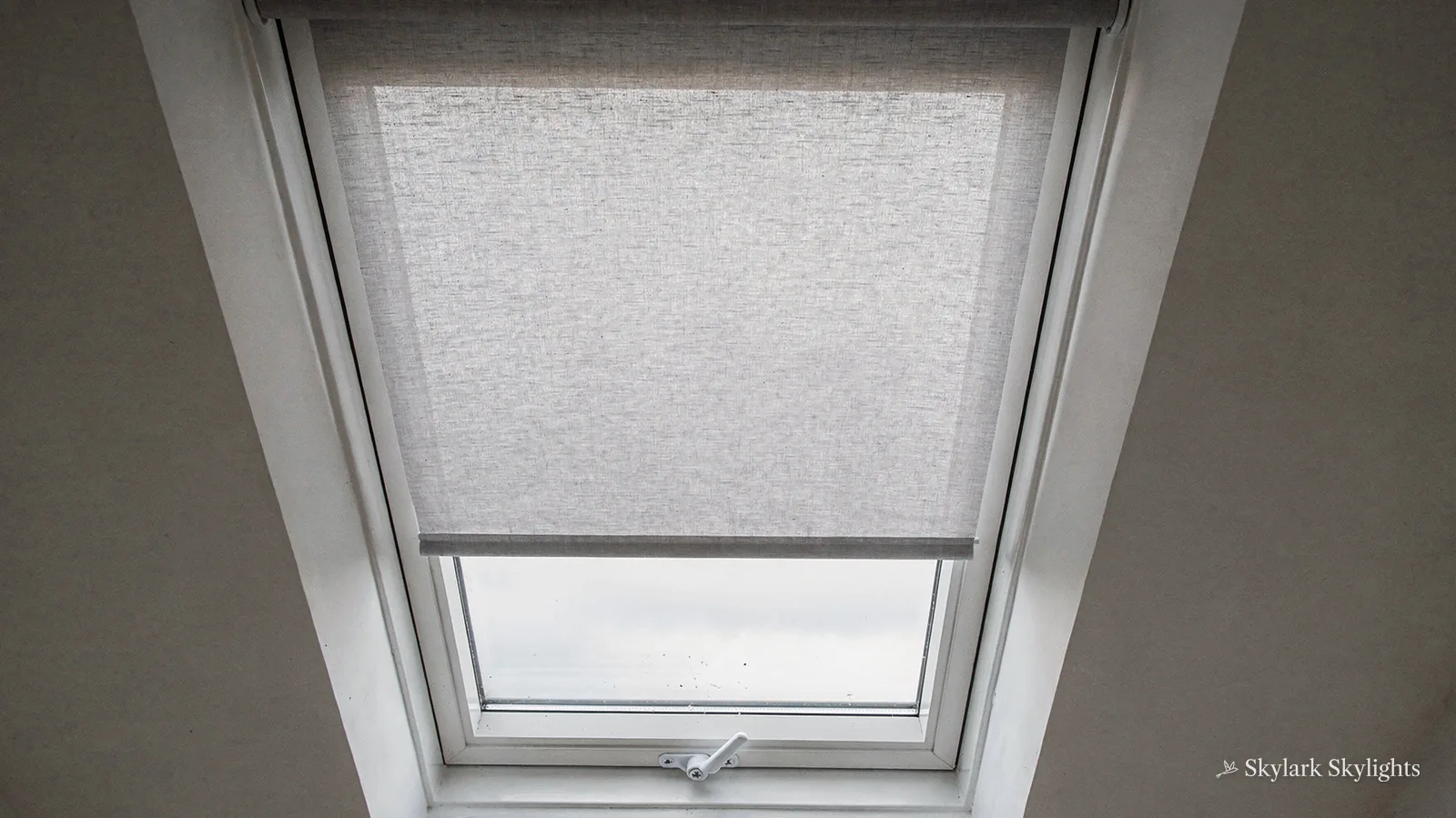
Why there is no set interval
People like a number, and most would prefer to be told to replace every so many years. The honest answer is that a skylight is not one part. It is a glazed unit, a frame, a set of seals, a flashing that joins it to the roof, and a ceiling finish below. Each of these ages at its own pace, and each depends on what the unit is made from and how well it was installed.
A well-fitted roof window with a sound frame and intact flashing can carry on working long after a poorly fitted one on the same street has started to leak. A polycarbonate dome in full sun behaves differently from a glass rooflight in shade. A timber frame needs different care from a uPVC or aluminium one. So the useful question is not how old the unit is. It is what condition it is in.
That is also why the manufacturer's guarantee and the installer's workmanship guarantee are different things. The first covers the product for a stated period. The second covers the fitting. Our 10-year workmanship guarantee is in writing and covers our installation. Whatever the guarantee says, the signs below are what tell you when a replacement is due.
The signs that a skylight has had its day
Look for these, roughly in order of how urgent they tend to be.
Misting between the panes
If the glass has gone cloudy or has droplets trapped between the layers, the seal around the sealed unit has failed and damp air has got in. The glazing no longer insulates as designed. It is not an emergency, but it will not clear itself. Our page on why a skylight goes cloudy explains the cause, and the answer on whether misted glass can be cleared covers what can and cannot be done.
Leaks and stains
A brown ring on the ceiling around the opening, damp plaster, or water dripping after rain points to a failure in the flashing, the seals or the unit. The cause is not always the glass. Sometimes the flashing has lifted or the roof covering around it has moved. A survey finds the actual path of the water. See why roof windows leak for the usual causes.
Discolouration and brittleness
Older polycarbonate and acrylic domes yellow, craze and go brittle under years of sunlight. A dome that cracks when touched, or has a milky look that no cleaning cures, has reached the end. Our guide to replacing a polycarbonate dome goes through the options.
Condensation that keeps returning
Some condensation on the room side in winter is a humidity issue, not a failed unit. But if it is heavy, constant and paired with cold draughts, the glazing or the frame may be letting the cold through. Our piece on stopping condensation on a skylight shows how to tell which you have.
Sticking, rotting or drafty frames
A window that will not open or close freely, a timber frame with soft or flaking wood, a gap you can feel air through, or a hinge that has given up are all signs of wear. These affect comfort first, then damp.
A unit that is simply out of date
Older single-glazed units do not meet today's standards for heat loss. If a room is cold under an old rooflight and you want it warmer, replacing the unit with an energy efficient one is a reasonable reason, even without a failure.
What affects how long a rooflight lasts
Several things decide the lifespan of a rooflight, and most of them are about the house and the fitting, not the age.
- Material. Aluminium, uPVC and timber frames age differently. Glass keeps its clarity, while plastics can discolour in strong sun.
- Quality of installation. A unit that is not flashed properly, or sits on a kerb that does not shed water, fails early whatever the product.
- Aspect. A south-facing slope gets more heat and UV than a north-facing one.
- Roof movement. If the roof covering around the unit has slipped or been disturbed, the flashing can open up.
- Condensation and moisture. A damp bathroom or kitchen is harder on frames than a dry bedroom.
- Maintenance. Clear gutters and keep debris from collecting against the upstand or the bottom edge of the glass.
For a unit that has lasted well, simple care is worth doing. Clean the glass, wipe the seals, and check that opening mechanisms move freely. That keeps small problems from becoming leaks.
Sign seen, likely next step
| Sign | Usual next step |
|---|---|
| Misted between panes | New glazed unit |
| Ceiling stain after rain | Survey, then flashing or unit |
| Yellowed, cracked dome | Replace the dome |
| Frame soft or rotting | Replace the whole unit |
| Cold and draughty | Energy efficient unit |
New glass, or a whole new unit
When a unit has failed, there are two broad routes. Either the glazing is renewed in the existing frame, or the whole rooflight or roof window is replaced.
New glass in an existing frame can work when the frame, the flashing and the fixings are sound and the unit is a common size. It is less likely to suit a rotted timber frame, a unit with a failed opening mechanism, or a model that is no longer made. Replacing the whole unit takes more time but resets the frame, the seals and the junction with the roof together. Our guide on new glass or a new rooflight weighs these two routes in detail, and the guide on replacing an old VELUX window covers the roof-window case.
What the Regulations say about a replacement
A straight swap of one unit for another is controlled fitting under Part L, so the new unit must reach 1.4 W/m²K as a roof window or 2.2 W/m²K as a rooflight, lanterns included, and a competent person scheme can sign it off. In practice a new unit is usually better insulated than the old one, which is a reason to replace sooner rather than later if the room is cold.
Planning for a replacement
A like-for-like replacement is rarely a planning matter on a house. For flats, listed buildings and conservation areas, check first. Our planning guide sets out where the lines fall.
What happens at a survey
You do not need to decide whether to replace before you call. A free survey looks at the unit from inside and out, the room, the spot it lights and the roof around it. We check the glazing, the frame, the seals, the flashing and the ceiling finish, and say what we find. If the unit can carry on, we say so. If the unit is beyond repair, the fixed written quote that follows is the one that stands on the day, and the Building Control notification is ours to handle where the work calls for it.
A simple single unit is usually a one or two day job up on the roof. A 10-year workmanship guarantee, in writing, stands behind the installation.
If you are looking at the whole range of units that could go in, the home page sets out what we fit. The survey form is the easiest way to begin, and WhatsApp on 07880 284133 works too. Thinking of a different type of unit? Check can a skylight go into any roof first.
Replacement questions, answered
Can an old skylight be left until it leaks?
It can, but leaks tend to damage the ceiling, insulation and timbers before they show. If the unit has misted, cracked or started to stain the ceiling, it is better to replace it before water finds a way in. A survey can tell you how much time you have.
Does a misted skylight need replacing straight away?
Not usually. Misting means the seal in the glazed unit has failed and insulation is reduced, but the roof is still weathertight. It is sensible to plan the replacement, though, because the misting does not clear and may spread. See our page on whether a misted rooflight is urgent.
Will a new skylight be warmer than my old one?
Usually yes. Today's limits ask for 1.4 W/m²K from a new roof window and 2.2 W/m²K from a new rooflight. Older single-glazed or early double-glazed units are often well above those figures, so the room tends to feel warmer.
Do yellowed polycarbonate domes need replacing?
Often, yes. Yellowing, crazing and brittleness show that the plastic has broken down in sunlight. A brittle dome can crack in cold weather or under a ladder, so replace it before it fails. A glass unit or a better-grade glazed dome is the usual alternative.
Can I replace just the glass in a skylight?
Sometimes. If the frame, flashing and fixings are sound and the size is common, new glass can be fitted in the existing frame. If the frame is rotten, the mechanism has failed or the model is discontinued, the whole unit is replaced. The survey settles which applies.
Book your free survey
Where do you want the light? Tell us in the form: the worktop, the stair, the desk.
No obligation. We survey before we price.
We cover Derby and 30 miles around.